



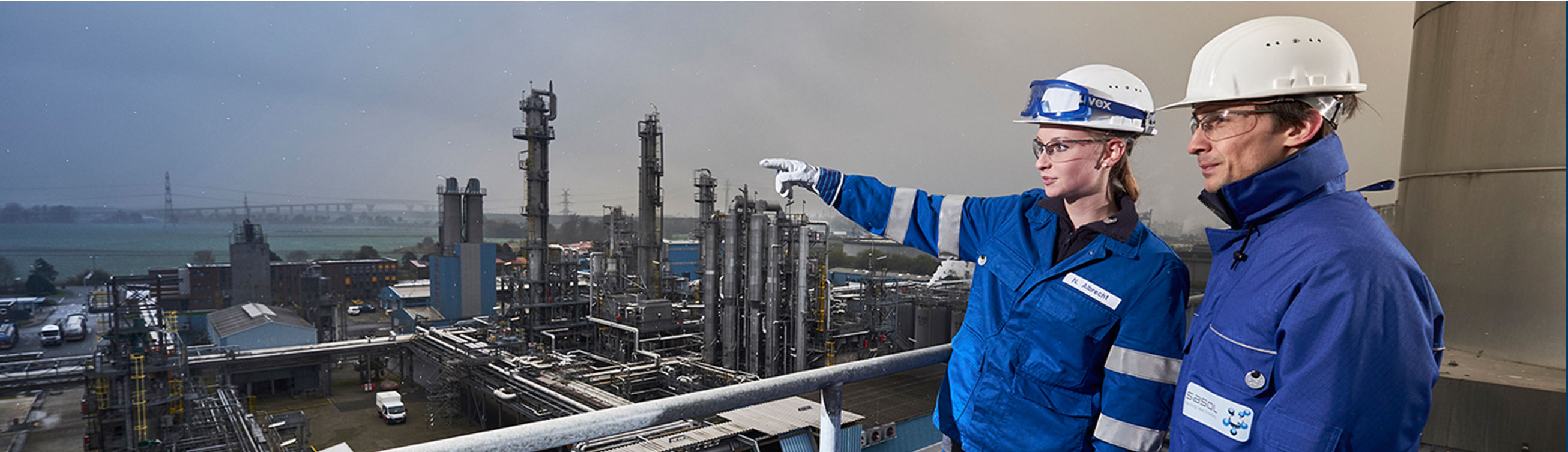





Sasol empowers school learners in fencelline communities
Sasol empowers school learners in fencelline communities
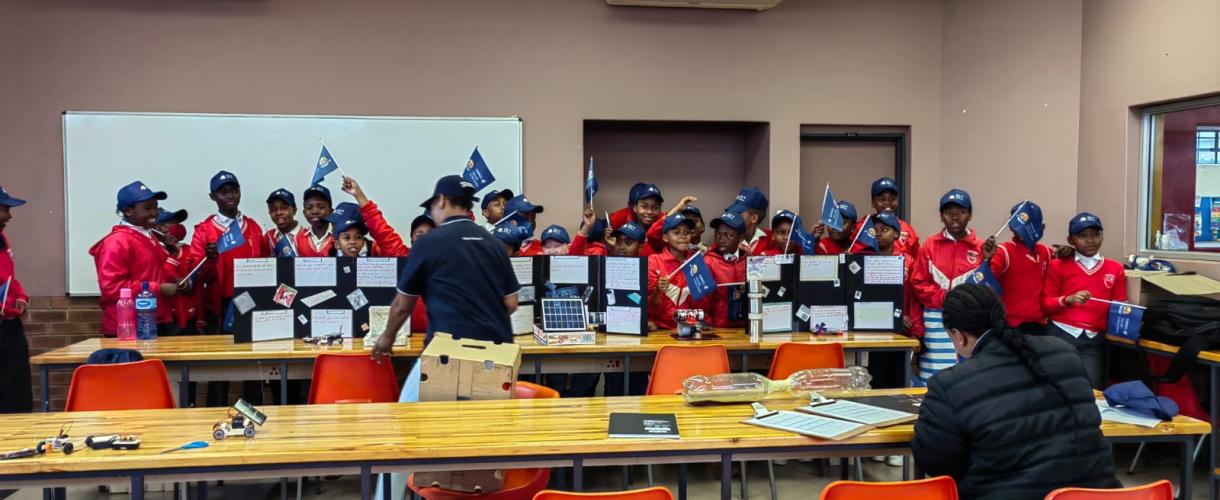
Johannesburg, South Africa – Sasol has launched its Energy Innovation Schools competition aimed at raising awareness on the use of renewable and sustainable energy. The competition is geared at grades 4 to 11 learners from schools in its fence-line communities in Sasolburg, Secunda and Ekandustria.
The competition is one of the supporting initiatives of the Sasol Solar Challenge, a biennial endurance event bringing together university and high school teams, and even private engineers who have manufactured fully functioning, roadworthy solar powered cars. It runs on public roads, sharing space with trucks and regular traffic, and passes through multiple small towns. In turn the Energy Innovation Schools Competition promotes science, technology, engineering, and mathematics (STEM) education among young people and enables them to innovate, build critical thinking, problem solving and interpersonal skills.
“The aim of the Energy Innovation Schools Project competition is to stimulate a sense of wonder and curiosity about science, technology and energy among learners to enhance the Intermediate Phase, Senior Phase and FET Phase curriculum in the relevant subjects of Natural Sciences, Technology and Physical Sciences in pursuit of solving real life problems related to energy sustainability,” said Noxolo Kahlana, Head of the Sasol Foundation Trust. “Sasol is using this opportunity to bring the idea of alternative and renewable energies closer to schools while supporting the solar car teams, which are competing in the Sasol Solar Challenge,”
The Energy Innovation Schools Project competition is divided into two categories - for primary and high schools - and runs in three phases, which are school, regional and final. Primary school learners in grades 4 to 7 are required to present a non-experimental project on renewable and alternative energy, create a poster and orally present it. High school learners in grade 8 to 11 are required to apply scientific methods to investigate a renewable and alternative energy topic, create a prototype and present a project that works on renewable and alternative energy.
“Our goal is to advance chemical and energy solutions that contribute to a thriving planet, society and enterprise. The Energy Innovation Schools Project is one step towards that goal,” added Kahlana. “The competition is also our way of giving back to our fence-line communities by investing in engineers, scientists and thought leaders of tomorrow through education and skills development. Both these elements will play a major role in the development of sustainable solutions to address energy challenges in our fence-line communities and country wide.”
Patience Mthembu from Botjhorisong Resource Centre in Sasolburg said: “We are excited to be part of this initiative and are grateful to Sasol for investing in our young people and giving them an opportunity to test their abilities and the limits of STEM education. “We are involved in the competition as coordinators, and we are also supporting the schools in carrying out the competition. We therefore look forward to reviewing and learning more about each project designed and developed by the learners.”
The school level competition is already underway and will end on Friday,12 August 2022. Participating teams are from schools in Sasolburg, Secunda and Ekandustria. The regional competition will be held on 27 August in all three regions. The final competition will be held on 08 September in Carnival City Casino, East of Johannesburg, where the winners will be announced. Grand prizes for the competition are to the value of R20 000.00 for a primary school team and R50 000.00 for a high school team.
FORWARD LOOKING STATEMENTS
Sasol may, in this document, make certain statements that are not historical facts that relate to analyses and other information which are based on forecasts of future results and estimates of amounts not yet determinable. These statements may also relate to our future prospects, developments and business strategies. Examples of such forward-looking statements include, but are not limited to, statements regarding exchange rate fluctuations, volume growth, increases in market share, total shareholder return, executing our growth projects (including LCCP), oil and gas reserves and cost reductions, including in connection with our BPEP, RP and our business performance outlook. Words such as “believe”, “anticipate”, “expect”, “intend", “seek”, “will”, “plan”, “could”, “may”, “endeavour”, “target”, “forecast” and “project” and similar expressions are intended to identify such forward-looking statements, but are not the exclusive means of identifying such statements. By their very nature, forward-looking statements involve inherent risks and uncertainties, both general and specific, and there are risks that the predictions, forecasts, projections and other forward-looking statements will not be achieved. If one or more of these risks materialise, or should underlying assumptions prove incorrect, our actual results may differ materially from those anticipated. You should understand that a number of important factors could cause actual results to differ materially from the plans, objectives, expectations, estimates and intentions expressed in such forward-looking statements. These factors are discussed more fully in our most recent annual report on Form 20-F filed on 28 August 2018 and in other filings with the United States Securities and Exchange Commission. The list of factors discussed therein is not exhaustive; when relying on forward-looking statements to make investment decisions, you should carefully consider both these factors and other uncertainties and events. Forward-looking statements apply only as of the date on which they are made, and we do not undertake any obligation to update or revise any of them, whether as a result of new information, future events or otherwise.
Please note: One billion is defined as one thousand million. bbl – barrel, bscf – billion standard cubic feet, mmscf – million standard cubic feet, oil references brent crude, mmboe – million barrels oil equivalent. All references to years refer to the financial year 30 June. Any reference to a calendar year is prefaced by the word “calendar”